Comparing Italian and French Fashion: Key Differences
The world of fashion is dominated by several iconic styles, with Italian and French fashion standing out as two of the most influential. While both are renowned for their elegance and sophistication, there are distinct differences that set them apart.
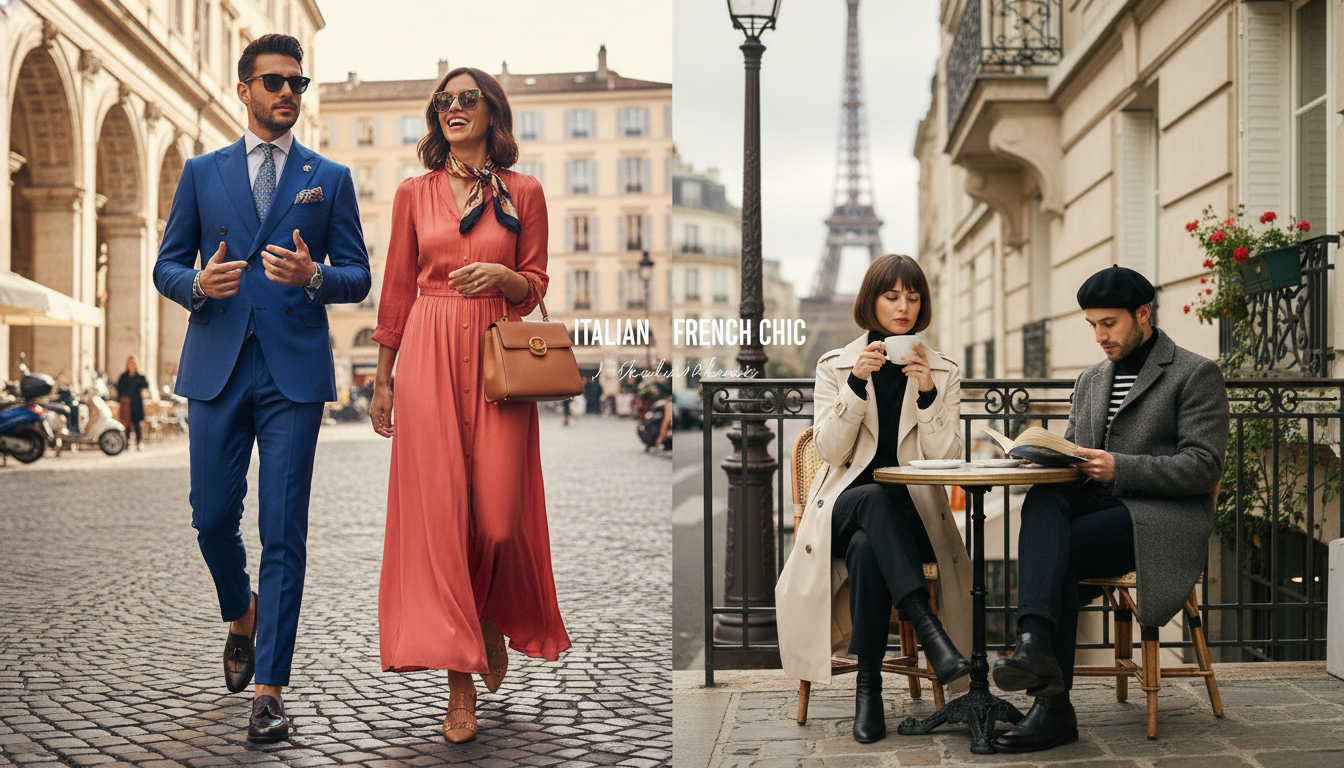
Italian fashion is often characterized by its comfort, practicality, and luxurious fabrics. In contrast, French fashion is celebrated for its chic, sophisticated aesthetic and attention to detail. Understanding these differences is key to appreciating the unique qualities of each style.
Key Takeaways
- Italian fashion emphasizes comfort and practicality.
- French fashion is known for its chic, sophisticated aesthetic.
- Luxurious fabrics are a hallmark of Italian fashion.
- Attention to detail is a characteristic of French fashion.
- Both styles are influential in the global fashion industry.
The Essence of Italian Fashion
The essence of Italian fashion lies in its ability to blend traditional craftsmanship with modern sensibilities, creating a unique style that is both timeless and contemporary.
A Brief History of Italian Fashion
Italian fashion has a rich history that dates back to the Renaissance period, where it was characterized by opulence and grandeur. Over the centuries, Italian fashion has evolved, influenced by various cultural and social changes.
During the 1950s and 1960s, Italian fashion began to gain international recognition, with designers like Salvatore Ferragamo and Emilio Pucci making significant contributions. The 1980s saw the rise of bold and extravagant styles, led by designers such as Gianni Versace.
Iconic Italian Designers
Italian designers have played a crucial role in shaping the global fashion landscape. Some of the most iconic include:
- Gucci – Known for their bold and eclectic designs.
- Versace – Famous for their daring and glamorous styles.
- Prada – Renowned for their understated yet sophisticated designs.
Signature Styles and Trends
Italian fashion is characterized by its emphasis on comfort, practicality, and bold statements. Some signature styles include:
| Style Element | Description |
|---|---|
| Bold Colors | Vibrant hues that make a statement. |
| High-Quality Fabrics | Luxurious materials that ensure comfort and durability. |
| Classic Silhouettes | Timeless designs that never go out of style. |
These elements combined create a distinct Italian style that is both elegant and accessible.
The Essence of French Fashion
At the heart of global fashion lies the essence of French elegance and refinement. French fashion is characterized by its emphasis on individuality, luxury, and haute couture, setting it apart from other styles, including Italian fashion.
Historical Influence on French Fashion
French fashion has a rich history that dates back centuries, with significant influences from the royal courts and the rise of haute couture in the 19th century. The country’s fashion industry has been shaped by its cultural heritage, with designers continually pushing the boundaries of style and elegance.
Key historical milestones include:
- The establishment of the Chambre Syndicale de la Haute Couture in 1868, which set standards for French fashion.
- The influence of iconic designers like Coco Chanel and Christian Dior, who revolutionized women’s fashion.
Renowned French Designers
French designers have made an indelible mark on the global fashion scene. Designers like Chanel and Dior have not only defined French style but have also influenced fashion worldwide.
“Fashion is not something that exists in dresses only. Fashion is in the sky, in the street, fashion has to do with ideas, the way we live, the way we think.” – Coco Chanel
These designers have contributed to the luxury and sophistication associated with French fashion, making it a benchmark for style.
Classic French Aesthetics
Classic French aesthetics are characterized by simplicity, elegance, and a focus on high-quality materials. French fashion often features:
- Timeless designs that transcend seasons.
- A predominantly neutral color palette with occasional bold accents.
- An emphasis on tailoring and precision in garment construction.
When comparing Italian and French fashion aesthetics, both share a love for quality and style, but French fashion tends to be more formal and luxurious.
Key Distinctions in Style
The contrast between Italian and French clothing styles is a fascinating study in the nuances of fashion. While both are renowned for their elegance and sophistication, there are distinct differences that set them apart.
Italian Boldness vs. French Sophistication
Italian fashion is often characterized by its boldness and emphasis on comfort. Italian designers are known for their vibrant colors, luxurious fabrics, and statement pieces. In contrast, French fashion is celebrated for its sophistication and understated elegance. French designers focus on creating timeless, chic pieces that exude refinement.
Key differences:
- Italian fashion tends to be more expressive and bold, while French fashion is often more subdued and elegant.
- Italian clothing often prioritizes comfort without sacrificing style, whereas French fashion may emphasize style over comfort.
Casual Wear: Italian vs. French
When it comes to casual wear, Italian and French styles diverge significantly. Italian casual wear is often relaxed yet stylish, featuring comfortable fabrics and vibrant colors. French casual wear, on the other hand, maintains a level of elegance even in more relaxed settings.
“Fashion is not just about clothes; it’s about a way of life.” – Anna Wintour
For instance, Italian casual wear might include brightly colored sweaters and comfortable trousers, while French casual wear might feature more subdued tones and tailored pieces.
Formal Attire: A Comparative Look
Formal attire is where both Italian and French fashion shine, albeit in different ways. Italian formal wear is known for its opulence and attention to detail, often featuring intricate designs and luxurious fabrics. French formal wear, by contrast, is characterized by its timeless elegance and simplicity.
Comparative highlights:
| Aspect | Italian Formal Wear | French Formal Wear |
|---|---|---|
| Design | Intricate, bold | Simple, elegant |
| Fabrics | Luxurious, varied | High-quality, classic |
By understanding these distinctions, fashion enthusiasts can better appreciate the unique qualities of both Italian and French styles, allowing them to make informed choices that suit their personal taste.
Fabric and Material Preferences
Fabric selection is a crucial aspect of fashion design, reflecting the unique cultural and aesthetic identities of Italian and French fashion. The choice of fabric not only influences the aesthetic appeal of clothing but also its comfort, durability, and overall style.
Craftsmanship and Fabrics in Italian Fashion
Italian fashion is celebrated for its exceptional craftsmanship and the use of high-quality fabrics. Italian designers are known for their meticulous attention to detail and their preference for luxurious materials such as silk, wool, and cashmere. These fabrics are not only comfortable but also durable, making them ideal for the Italian style, which often emphasizes comfort without compromising on elegance.
Italian designers are particularly known for their mastery of working with cotton and linen, fabrics that are breathable and perfect for the Mediterranean climate. The use of these materials also reflects the Italian emphasis on practicality and comfort in fashion.
“Fashion is not just about clothes; it’s about the materials you use, the way you craft them, and the story you tell through your designs.” –
French Fabric Choices
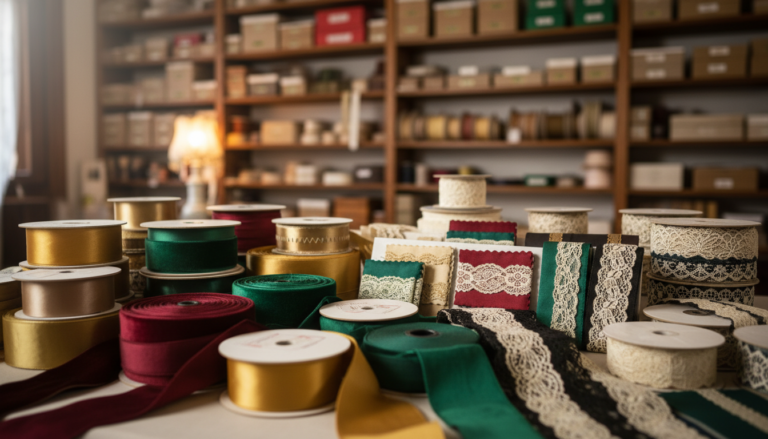
French fashion, on the other hand, is renowned for its sophisticated fabric choices, often favoring luxurious and innovative materials. French designers are known for their use of haute couture fabrics, including intricate laces, luxurious silks, and fine wools. These materials are often used to create exquisite, high-end fashion pieces that are both visually stunning and tactilely pleasing.
The French approach to fabric selection is deeply rooted in their rich textile heritage, with a strong emphasis on quality and craftsmanship. French fashion houses are known to work closely with traditional textile mills to produce unique and exclusive fabrics that are not easily replicable.
Sustainability in Fashion Choices
In recent years, both Italian and French fashion have seen a significant shift towards sustainability in fabric choices. Designers are increasingly opting for eco-friendly materials, recycled fabrics, and sustainable production methods to reduce their environmental footprint. This trend is not only driven by consumer demand for more sustainable fashion but also by the industry’s recognition of its environmental impact.
| Fashion Element | Italian Fashion | French Fashion |
|---|---|---|
| Preferred Fabrics | Silk, wool, cashmere, cotton, linen | Luxurious silks, fine wools, intricate laces |
| Craftsmanship | Emphasis on traditional craftsmanship, comfort, and durability | Focus on haute couture, innovative materials, and exquisite detailing |
| Sustainability | Adoption of eco-friendly materials and production methods | Use of recycled fabrics, sustainable practices in haute couture |
As the fashion industry continues to evolve, the choices of fabrics and materials will remain a critical aspect of both Italian and French fashion, with sustainability playing an increasingly important role in shaping their respective styles.
Fashion Philosophy: Italian vs. French
Understanding the philosophical differences between Italian and French fashion provides insight into their enduring appeal. Both styles have captivated the global audience, yet their underlying values and aesthetics diverge in meaningful ways.
The Italian Approach to Style
Italian fashion is characterized by its emphasis on comfort, practicality, and a relaxed elegance. Italian designers prioritize craftsmanship and quality materials, creating pieces that are both stylish and wearable. This approach is rooted in the Italian culture’s appreciation for la dolce vita, or the sweet life, where fashion is an integral part of daily living.
The Italian style is often described as effortless chic, focusing on clean lines, luxurious fabrics, and a neutral color palette that exudes sophistication without being overly ostentatious. Italian fashion houses like Gucci and Prada are renowned for their ability to blend traditional craftsmanship with modern sensibilities, creating timeless pieces that appeal to a wide audience.
French Fashion’s Emphasis on Individuality
French fashion, on the other hand, is celebrated for its emphasis on individuality and luxury. French designers are known for their innovative and often avant-garde approach to fashion, pushing the boundaries of style and aesthetics. The French philosophy prioritizes haute couture and high-end materials, creating exclusive, made-to-measure pieces that reflect the wearer’s unique personality.
French fashion is also deeply influenced by its rich cultural heritage, with designers drawing inspiration from art, history, and the country’s storied fashion legacy. Fashion houses like Chanel and Dior embody the French spirit, offering designs that are at once elegant, sophisticated, and distinctly individualistic. The French approach to fashion is not just about wearing clothes; it’s about making a statement and expressing one’s identity through style.
The Role of Fashion Shows
Italian and French fashion shows are not just events; they are experiences that dictate global fashion trends, captivating audiences worldwide. These shows are a platform where designers unveil their latest creations, setting the stage for what’s to come in the fashion world.
Major Fashion Weeks in Italy
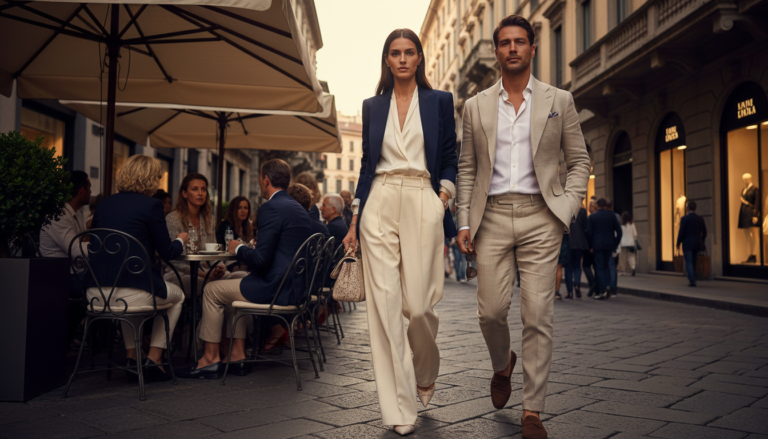
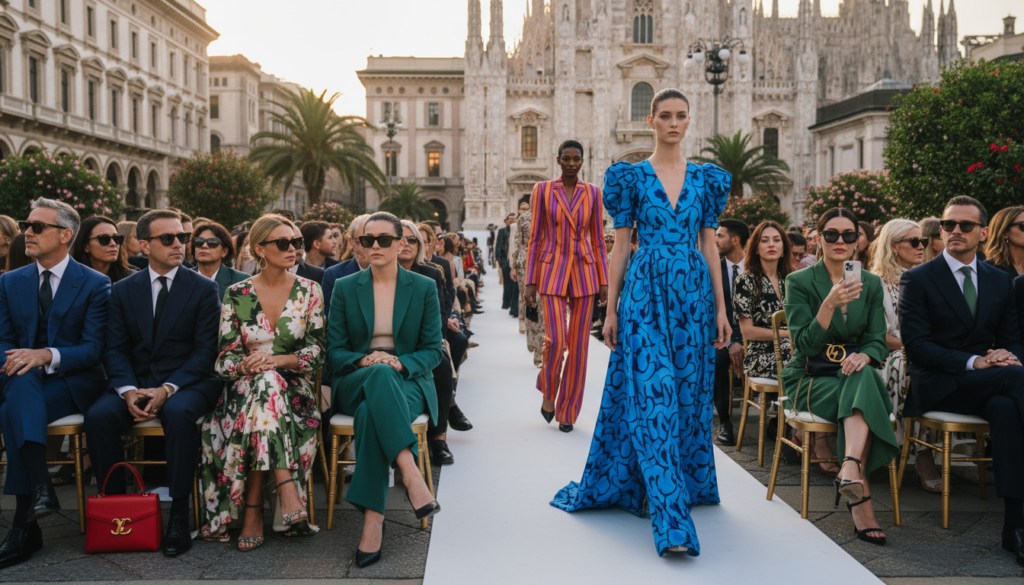
Milan Fashion Week is one of the most anticipated events in the Italian fashion calendar. It’s here that top Italian designers like Gucci and Prada showcase their latest collections, blending tradition with innovation. As Anna Wintour once said, “Fashion is not just about clothes; it’s about a way of life.”
The event attracts industry professionals and fashion enthusiasts alike, all eager to witness the latest trends. Milan Fashion Week is a testament to Italy’s rich fashion heritage and its ability to evolve with the times.
Key Events in French Fashion
Paris Fashion Week is the pinnacle of French fashion, a showcase of elegance and sophistication. It’s where designers like Chanel and Dior present their latest haute couture collections, pushing the boundaries of fashion. French fashion is renowned for its “je ne sais quoi”, a quality that is hard to define but is instantly recognizable.
As
“Fashion is the armor to survive the reality of everyday life.” – Bill Cunningham
Paris Fashion Week is not just about the clothes; it’s about making a statement.
How Shows Influence Global Trends
Fashion shows in both Italy and France have a profound impact on global trends. They set the tone for what’s fashionable, influencing designers and consumers worldwide. The trends that emerge from these shows trickle down to more accessible fashion lines, shaping the way people dress.
- They introduce new styles and silhouettes.
- They revive classic trends with a modern twist.
- They showcase innovative fabrics and textures.
The influence of these fashion weeks is felt across the globe, from high-end boutiques to high street retailers. As the fashion industry continues to evolve, the role of Italian and French fashion shows remains pivotal in shaping its future.
Cultural Influences on Fashion
Italian and French fashion are not just styles; they are reflections of the countries’ diverse cultural landscapes. The rich tapestry of cultural influences has shaped the fashion industries in both countries, making them unique and renowned globally.
Regional Styles and Heritage in Italy
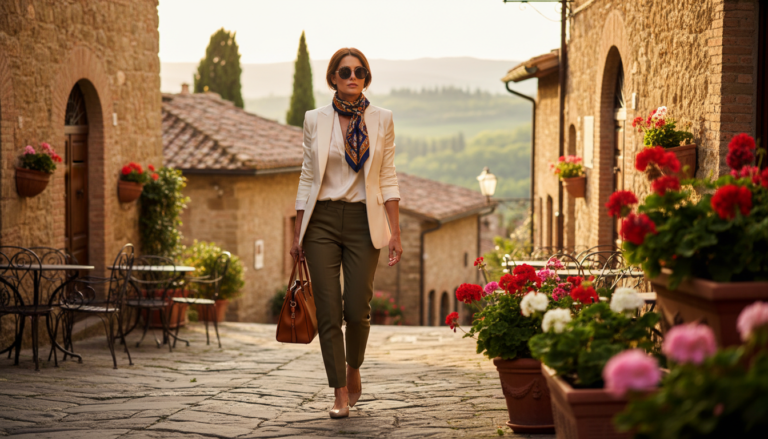
Italy, with its diverse regions, boasts a wide array of styles that contribute to its fashion identity. From the luxurious fabrics of Tuscany to the vibrant colors of Sicily, each region adds its own flair. As noted by fashion historian,
“Italian fashion is a mosaic of regional identities, each contributing its unique aesthetic to the national style.”
The craftsmanship and attention to detail seen in Italian fashion are deeply rooted in its regional heritage. For instance, the tailoring in Milan is known for its precision, while the textiles in Florence are celebrated for their quality. This regional diversity enriches Italian fashion, making it both varied and sophisticated.
French Influence of Art and Culture
French fashion has long been influenced by its rich art and cultural heritage. The country has been at the forefront of artistic movements, from Impressionism to Surrealism, and these influences are evident in its fashion. Designers like Coco Chanel and Christian Dior have drawn inspiration from French art, incorporating elements into their designs.
The French capital, Paris, is a hub for artistic expression, and this is reflected in its fashion. The city’s museums, galleries, and cultural events inspire designers and influence trends. As French designer Yves Saint Laurent once said,
“Fashion is a form of art, and art should be a reflection of life.”
The Role of Cinema in Shaping Trends
Cinema has played a significant role in shaping fashion trends, with iconic movie characters often becoming style icons. Italian and French cinema, in particular, have had a profound impact on fashion. Films like “La Dolce Vita” and “Amélie” have showcased styles that have influenced consumer behavior and fashion trends.
Movies not only reflect current fashion trends but also predict and shape future styles. The influence of cinema on fashion is a testament to the powerful interplay between the worlds of film and fashion. Designers often draw inspiration from movies, incorporating cinematic elements into their collections.
Global Impact and Influence
As two of the world’s leading fashion capitals, Italy and France have made significant contributions to the global fashion industry, influencing trends and designers alike. Their impact is evident in the way fashion is perceived and consumed around the world.
Italian fashion has achieved a global reach, with designers like Gucci, Prada, and Versace becoming household names. Italian fashion’s global influence can be attributed to its emphasis on quality, craftsmanship, and bold designs.
Italian Fashion’s Global Reach
Italian fashion has successfully penetrated international markets, with many Italian designers opening flagship stores in major cities worldwide. The country’s fashion industry is known for its luxurious fabrics, attention to detail, and classic styles that never go out of fashion.
For instance, Gucci’s eclectic and bold designs have captivated audiences globally, making it one of the most recognizable luxury brands worldwide. Similarly, Prada’s understated yet sophisticated aesthetic has earned it a loyal following among fashion connoisseurs.
French Fashion’s Enduring Legacy
French fashion continues to exert an enduring legacy, with its influence seen in the work of designers around the world. French fashion is renowned for its elegance, sophistication, and haute couture traditions.
For example, Chanel’s timeless designs have revolutionized women’s fashion, while Dior’s luxurious and intricate creations have set the standard for high-end fashion. The French fashion industry’s commitment to craftsmanship and innovation has ensured its continued relevance in the global fashion landscape.
The global impact of Italian and French fashion is a testament to their enduring appeal and influence. As the fashion industry continues to evolve, it is likely that both styles will remain at the forefront, shaping trends and inspiring new generations of designers.
Conclusion: Embracing Both Styles
Italian and French fashion, though distinct, share a common goal: to make a statement through style. By understanding the essence of each, you can draw inspiration from both to create a unique personal style.
Blending Styles for a Unique Look
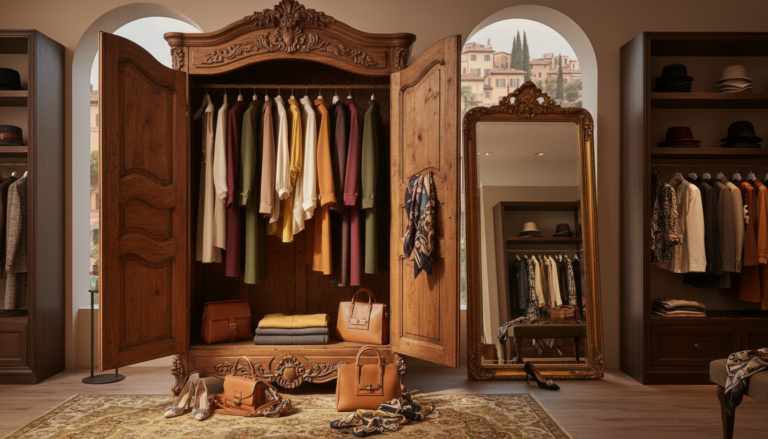
Combining Italian and French fashion involves merging the boldness and comfort of Italian style with the sophistication and elegance of French aesthetics. For instance, pair a luxurious Italian cashmere sweater with tailored French trousers for a chic, comfortable look.
Experimenting with different fabrics, colors, and accessories can also help you blend the two styles. Incorporate Italian craftsmanship with French design principles to create outfits that are both stylish and refined.
Finding Your Personal Style
Ultimately, the key to pulling off a combined Italian and French style is to understand what works best for you. Take inspiration from both worlds, and don’t be afraid to experiment and make the styles your own.