Timeless Italian Embroidery Patterns for Clothing
Italian embroidery has been a cornerstone of fashion for centuries, with its intricate designs and timeless beauty. The art of Italian textile embroidery has been passed down through generations, and its significance extends beyond aesthetics to cultural heritage.
The rich history and beauty of Italian clothing embroidery make it a perfect blend of old and new when incorporated into modern fashion. By understanding the significance of these timeless patterns, we can appreciate the craftsmanship that goes into creating exquisite clothing and textiles.
Key Takeaways
- Italian embroidery has a rich history and cultural significance.
- Timeless patterns can be incorporated into modern fashion.
- Italian textile embroidery is a blend of old and new.
- The art of Italian embroidery is a testament to craftsmanship.
- Italian clothing embroidery adds beauty and elegance to fashion.
The Art of Italian Embroidery: An Overview
The art of Italian embroidery is a testament to the country’s long-standing tradition of craftsmanship and attention to detail. This traditional form of decorative needlework has been a cornerstone of Italian culture, with its origins dating back to ancient times.
A Brief History of Italian Embroidery
Italian embroidery has a rich and varied history that spans centuries. The craft has evolved over time, influenced by various cultural and social factors. From the opulent designs of the Renaissance to the more subdued patterns of the rural countryside, Italian embroidery has adapted to the changing tastes and needs of the Italian people.
The significance of embroidery in Italian culture cannot be overstated. It has played a crucial role in the country’s textile heritage, with different regions developing their unique styles and techniques. This diversity is a testament to the creativity and skill of Italian embroiderers.
Key Characteristics of Italian Designs
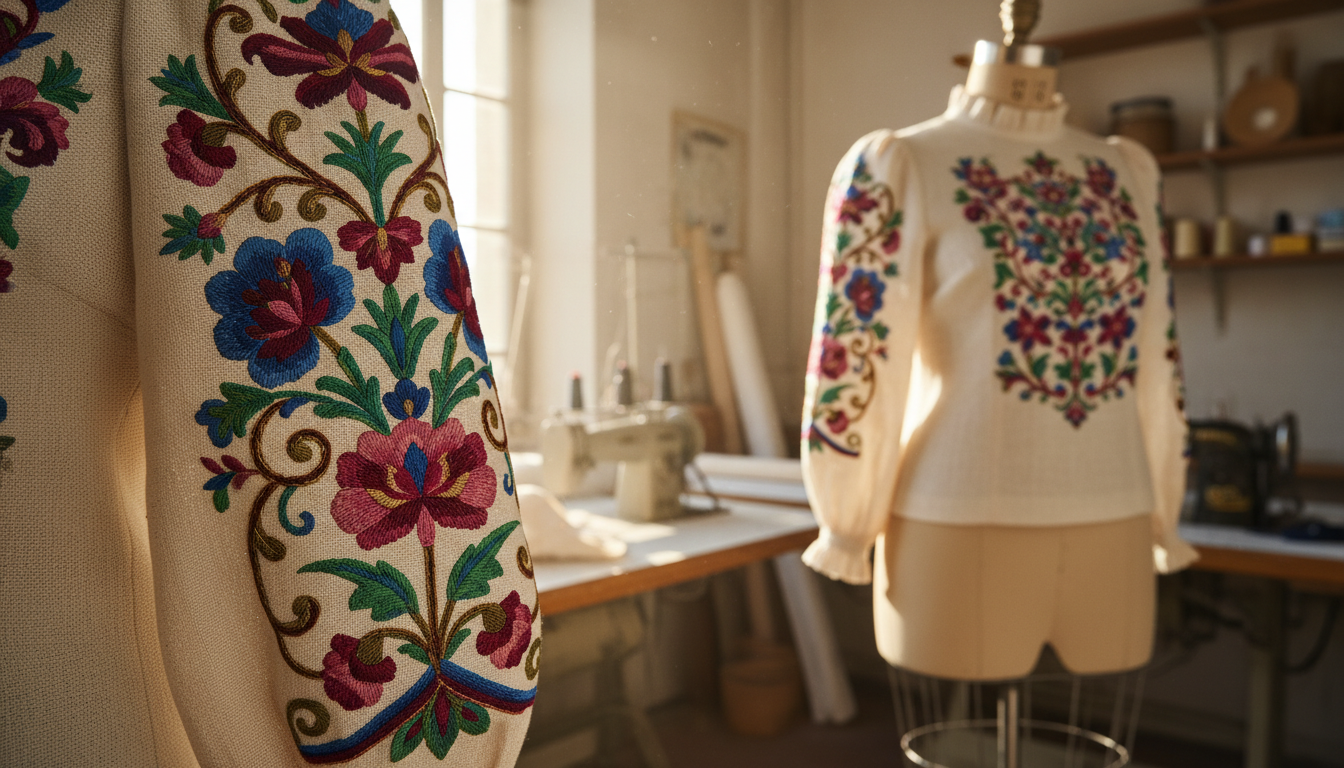
Italian embroidery is characterized by its intricate designs, often featuring floral motifs, foliage, and other natural elements. The use of vibrant colors and a range of stitches, including the satin stitch and cross-stitch, adds depth and texture to these designs.
Traditional Italian embroidery designs are renowned for their beauty and elegance, making them a popular choice for clothing and textiles. The incorporation of Italian embroidery techniques such as Jacquard and other complex stitches has enabled the creation of truly unique and exquisite pieces.
The result is a rich tapestry of Italian textile patterns that reflect the country’s rich cultural heritage. Whether used in traditional clothing or modern fashion, Italian embroidery continues to be celebrated for its beauty and craftsmanship.
Popular Traditional Italian Embroidery Techniques
The art of Italian embroidery encompasses a range of timeless techniques that have been passed down through generations. These traditional methods have been refined over centuries, resulting in exquisite designs that adorn clothing and textiles.
Italian embroidery is characterized by its use of various stitches and techniques, each with its unique charm and characteristics. Some of the most popular traditional Italian embroidery techniques include:
- Satin Stitch: A classic choice for Italian embroidery, known for its smooth, shiny surface.
- Cross-Stitch: A versatile and timeless technique used for creating intricate patterns.
- Jacquard: A luxurious technique used for weaving complex fabric patterns.
Satin Stitch: A Classic Choice
The satin stitch is one of the most recognizable Italian embroidery techniques, characterized by its smooth, glossy appearance. This stitch is achieved by filling a design area with parallel stitches, creating a shiny surface that reflects light.
Advantages: The satin stitch is ideal for creating bold, eye-catching designs. It is often used for floral patterns and other motifs where a smooth, lustrous finish is desired.
Cross-Stitch: Versatile and Timeless
Cross-stitch is another popular Italian embroidery technique, known for its versatility and durability. This stitch involves creating patterns on fabric using X-shaped stitches, allowing for intricate and detailed designs.
Benefits: Cross-stitch is highly versatile and can be used for a wide range of designs, from simple to complex patterns. It is also durable, making it suitable for items that will be used frequently.
Jacquard: Luxurious Fabric Patterns
The Jacquard technique is a sophisticated method used to create luxurious fabric patterns. This technique involves weaving complex designs into the fabric itself, resulting in rich, detailed textures.
Characteristics: Jacquard embroidery is known for its intricate, woven designs that add depth and luxury to fabrics. It is often used in high-end clothing and textiles where a premium finish is desired.
Regional Styles of Italian Embroidery
Italian embroidery is a rich and diverse craft, reflecting the country’s varied cultural heritage through its regional styles. This diversity is a testament to the country’s complex history, with different regions developing their own unique embroidery techniques and designs influenced by local cultures, traditions, and geographical characteristics.
Tuscan Embroidery: Rustic Elegance
Tuscan embroidery is characterized by its rustic elegance, often featuring motifs inspired by the region’s rolling hills, cypress trees, and vintage villas. The designs typically incorporate earthy tones and naturalistic patterns, reflecting the region’s agricultural heritage. Traditional Tuscan embroidery often adorns clothing and home textiles, adding a touch of countryside charm to everyday items.
Sicilian Embroidery: Color and Culture
Sicilian embroidery stands out for its vibrant colors and intricate patterns, often influenced by the island’s rich cultural heritage and its history as a crossroads of different civilizations. Sicilian designs frequently feature floral motifs, arabesques, and other ornate patterns, showcasing the region’s love for bold and elaborate decoration. The use of bright colors and luxurious threads adds to the opulence of Sicilian embroidery, making it highly prized for its beauty and craftsmanship.
Venetian Embroidery: Intricate and Decorative
Venetian embroidery is renowned for its intricate and decorative designs, often inspired by the city’s majestic architecture, intricate lace, and the opulence of Venetian Gothic style. Characterized by delicate patterns and meticulous stitching, Venetian embroidery is typically used to adorn high-end clothing and luxurious textiles, reflecting the city’s historical association with fine craftsmanship and high fashion.
The regional styles of Italian embroidery not only highlight the country’s diverse cultural landscape but also underscore the importance of preserving traditional crafts in a modern context. By celebrating these regional differences, we can appreciate the richness and complexity of Italian embroidery as a whole.
Materials Used in Italian Embroidery
The essence of Italian embroidery lies not only in its intricate designs but also in the selection of high-quality materials. The choice of materials is crucial in Italian embroidery, as it can greatly impact the final result.
Fabrics: Choosing the Right Base
The foundation of any embroidery project is the fabric. Italian embroidery often utilizes high-quality fabrics such as linen, cotton, and silk. Linen is particularly popular for its durability and texture, making it ideal for intricate designs. Cotton is another versatile choice, suitable for a wide range of embroidery techniques.
When selecting a fabric, it’s essential to consider the thread count, texture, and color. A fabric with a high thread count will generally produce a smoother, more even embroidery surface.
Threads: Natural vs. Synthetic Options
The choice between natural and synthetic threads depends on the desired appearance and durability of the embroidery. Natural threads, such as silk and cotton, are prized for their softness and subtle sheen. Synthetic threads, on the other hand, offer greater durability and resistance to fading.
- Natural threads: silk, cotton, wool
- Synthetic threads: nylon, polyester
Tools: Essential Embroidery Supplies
In addition to fabrics and threads, various tools are necessary for Italian embroidery. Embroidery hoops help keep the fabric taut, ensuring smooth stitching. Needles and scissors are also essential, with different types suited to specific embroidery techniques.
| Tool | Description |
|---|---|
| Embroidery Hoop | Keeps fabric taut for smooth stitching |
| Needles | Variety of types for different techniques |
| Scissors | Sharp, dedicated scissors for cutting threads |
By carefully selecting the right materials and tools, embroiderers can create beautiful, long-lasting Italian embroidery pieces that showcase traditional techniques and designs.
Incorporating Embroidery in Fashion
With its rich history and intricate designs, Italian embroidery is being incorporated into modern clothing trends, creating a fascinating fusion of old and new. This blend of traditional techniques with contemporary styles is revitalizing the fashion industry, offering unique and captivating pieces.
Modern Clothing Trends with Traditional Patterns
Modern fashion is embracing Italian embroidery, incorporating traditional patterns into contemporary clothing. Designers are using clothing embroidery patterns to add an element of elegance and sophistication to their creations. From intricately embroidered denim jackets to delicate floral patterns on evening gowns, Italian embroidery is enhancing modern clothing with its timeless beauty.
The versatility of Italian embroidery allows it to be adapted to various fabrics and styles, making it a popular choice for designers looking to incorporate traditional elements into their work. For instance, Italian textile patterns are being used in haute couture to create stunning, one-of-a-kind pieces that showcase the artistry of embroidery.
Accessorizing with Embroidered Textiles
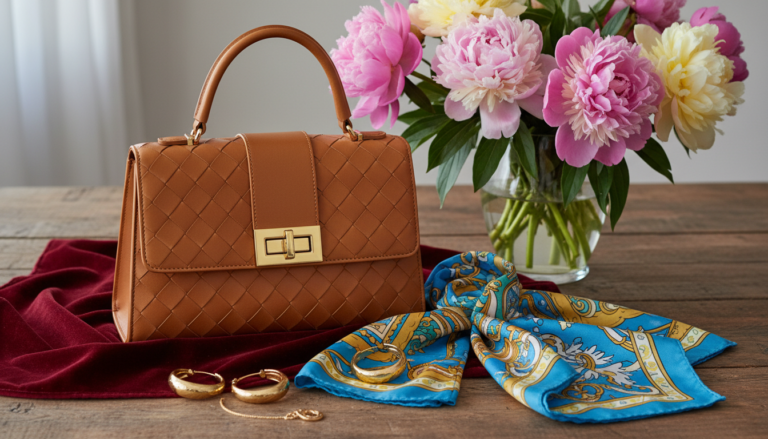
Embroidered textiles are not just limited to clothing; they are also being used to create beautiful accessories that add a touch of elegance to any outfit. Scarves, bags, and even shoes are being adorned with traditional Italian embroidery designs, making them stand out in the world of fashion accessories.
Here is a comparison of different ways to incorporate embroidered textiles into your wardrobe:
| Accessory | Embroidery Style | Impact |
|---|---|---|
| Scarves | Delicate Floral | Adds a touch of elegance |
| Bags | Intricate Geometric | Makes a bold statement |
| Shoes | Simple yet Elegant | Enhances overall look |
By incorporating Italian embroidery into modern fashion, designers and consumers alike are preserving a rich cultural heritage while pushing the boundaries of contemporary style.
Creating Your Own Italian Embroidery Patterns
With its rich history and beautiful designs, Italian embroidery offers a wide range of inspiration for those looking to create their own unique patterns. The process involves understanding traditional techniques, selecting the right materials, and applying your own creative twist.
Getting Started: Basic Techniques and Tools
To begin creating your own Italian embroidery patterns, you’ll need to familiarize yourself with basic techniques such as the satin stitch, cross-stitch, and Jacquard embroidery. These traditional Italian embroidery techniques form the foundation of most designs.
- Choose the right fabric: linen, cotton, or silk are popular choices.
- Select appropriate threads: natural fibers like cotton and silk are preferred for their texture and durability.
- Use the correct tools: embroidery hoops, needles, and scissors are essential.
Practice is key to mastering these techniques. Start with simple projects and gradually move to more complex designs as your skills improve.
Inspiration from Traditional Designs
Traditional Italian embroidery patterns are a rich source of inspiration. Look at historical designs, regional styles, and the work of Italian artisans to understand the motifs, colors, and techniques used.
- Study Tuscan, Sicilian, and Venetian embroidery styles to appreciate their unique characteristics.
- Use vintage embroidery pieces or photographs as references.
- Experiment with combining different traditional techniques to create something new.
By blending traditional Italian needlework patterns with your own creativity, you can develop unique embroidery designs that pay homage to Italy’s rich cultural heritage while showcasing your personal style.
Caring for Embroidered Clothing and Textiles
To keep your Italian embroidered clothing and textiles looking their best, proper care is essential. Embroidered garments and textiles are not just beautiful pieces of art, but also investments that can be treasured for years to come with the right maintenance.
Washing and Maintenance Tips
Gentle washing is crucial for preserving the intricate details of Italian embroidery. It’s recommended to hand wash embroidered clothing in cold water using a mild detergent that is free from harsh chemicals. Avoid using bleach or soaking the garments for extended periods, as this can damage the fabric and cause colors to fade.
When it comes to drying, it’s best to air dry embroidered textiles away from direct sunlight. Direct sunlight can cause fading, so it’s advisable to dry the garments in a shaded area. For items that require ironing, use a low heat setting and iron the garment on the reverse side to prevent damage to the embroidery.
Storage Solutions for Longevity
Proper storage is vital for maintaining the quality and longevity of embroidered clothing and textiles. Store these items in a cool, dry place, away from direct sunlight and moisture. Using acid-free tissue paper to separate layers of embroidered garments can prevent creasing and damage.
For long-term storage, consider using breathable storage bags or boxes that allow for airflow. Avoid storing embroidered items in plastic bags or airtight containers, as these can trap moisture and lead to mold or mildew. By following these storage tips, you can help preserve the beauty and integrity of your traditional Italian textile designs.
By adopting these care practices, you not only extend the life of your embroidered clothing and textiles but also ensure that they continue to be a vibrant part of your wardrobe and heritage. Whether it’s a vintage piece or a contemporary design, Italian textile embroidery is a testament to craftsmanship and artistry that deserves to be cherished.
Celebrating Italian Culture Through Embroidery
The art of Italian embroidery is deeply intertwined with the country’s cultural identity, playing a crucial role in various celebrations and festivities. Italian embroidery is more than just a decorative element; it is a meaningful way to express cultural heritage and tradition.
Italian embroidery has been a cornerstone of Italian culture for centuries, with its intricate designs and patterns adorning clothing, textiles, and other fabric items. The significance of embroidery in Italian culture can be seen in its presence at various cultural events and festivals.
The Role of Embroidery in Festivals
Italian festivals and celebrations often feature traditional embroidery as a central element. For instance, during the Festa della Repubblica in Italy, embroidered clothing and textiles are worn to signify national pride and cultural heritage. Similarly, in many regional festivals, embroidered garments are a staple, reflecting the community’s history and traditions.
The use of traditional Italian embroidery designs in these contexts not only adds to the festive atmosphere but also serves as a means of preserving cultural heritage. By incorporating embroidery into their celebrations, Italians keep their cultural traditions alive, passing them down to younger generations.
Embroidery as a Family Tradition
In many Italian families, embroidery is a cherished family tradition. Mothers and grandmothers teach their daughters and granddaughters the art of embroidery, sharing techniques and patterns that have been passed down through generations. This tradition not only preserves cultural heritage but also strengthens family bonds.
The Italian embroidery stitches used in these family heirlooms are often intricate and complex, reflecting the skill and patience of the embroiderers. These stitches are not just aesthetically pleasing; they also carry emotional and cultural significance, symbolizing love, care, and dedication.
In conclusion, Italian embroidery is a vital part of Italian culture, reflecting the country’s rich heritage and traditions. Through its presence in festivals and family traditions, embroidery continues to play a significant role in Italian life, preserving cultural identity and promoting a sense of community.
Where to Find Authentic Italian Embroidery
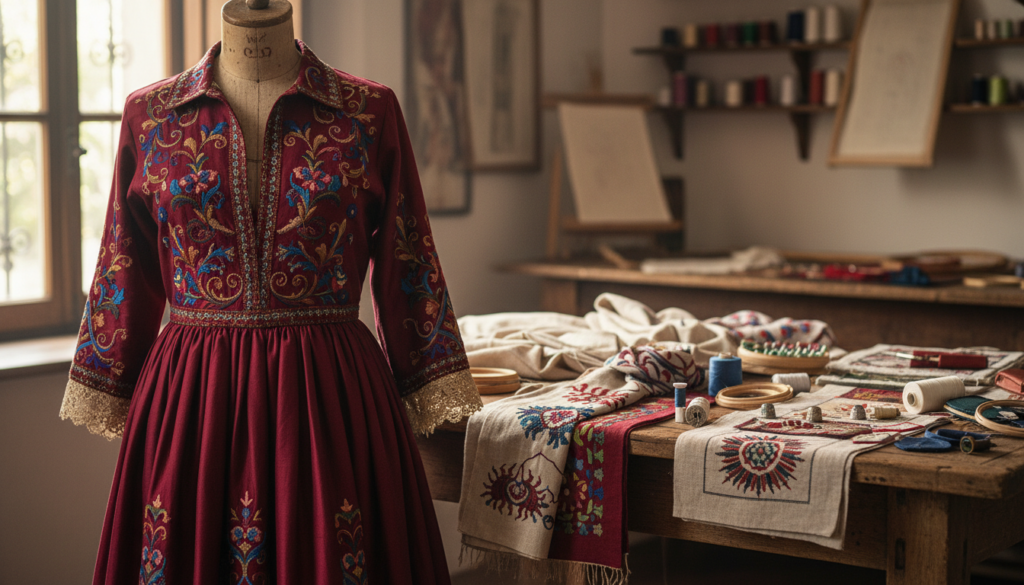
To experience the beauty of authentic Italian embroidery, one can look to established brands, designers, and online marketplaces. Italian clothing embroidery is renowned for its quality and traditional techniques. When searching for traditional Italian embroidery patterns for clothing and textiles, it’s essential to identify reputable sources.
Reliable Sources for Italian Embroidery
Several brands and designers specialize in Italian embroidery, offering high-quality, authentic pieces. These include:
- Salvatore Ferragamo: Known for their luxurious and intricately embroidered designs.
- Valentino: Offers exquisite Italian embroidery on their clothing and accessories.
- Loro Piana: Renowned for their high-quality textiles and traditional embroidery techniques.
These brands are recognized for their commitment to preserving traditional Italian embroidery techniques while incorporating modern designs.
Online Platforms for Vintage Italian Embroidery
For those interested in vintage Italian embroidery, online marketplaces can be a treasure trove. Some recommended platforms include:
- Etsy: A popular marketplace for vintage and handmade items, including Italian embroidered clothing and textiles.
- eBay: Offers a range of vintage Italian embroidery pieces, from clothing to home decor.
- Rubi: Specializes in vintage and antique Italian textiles, including embroidered items.
When shopping online, it’s crucial to verify the authenticity and quality of the embroidery. Look for detailed descriptions and high-quality images to ensure you’re purchasing a genuine piece.
By choosing reputable brands, designers, and online marketplaces, you can be confident in the authenticity and quality of your Italian embroidery purchases.
The Future of Italian Embroidery
Italian embroidery continues to thrive, blending traditional techniques with modern fashion trends. The art form’s evolution is driven by innovative designers who incorporate italian embroidery techniques into contemporary clothing and accessories.
Blending Tradition with Innovation
The future of Italian embroidery lies in its ability to balance heritage with modernity. Designers are now experimenting with traditional italian textile designs, reimagining them in fresh and exciting ways. This fusion of old and new is keeping the craft relevant in today’s fashion landscape.
Preserving Techniques in Modern Fashion
As italian textile embroidery continues to evolve, it’s essential to preserve the traditional techniques that have defined this art form. Many designers are working to keep these methods alive, incorporating them into their designs while introducing the craft to new audiences.